



By Starhawk
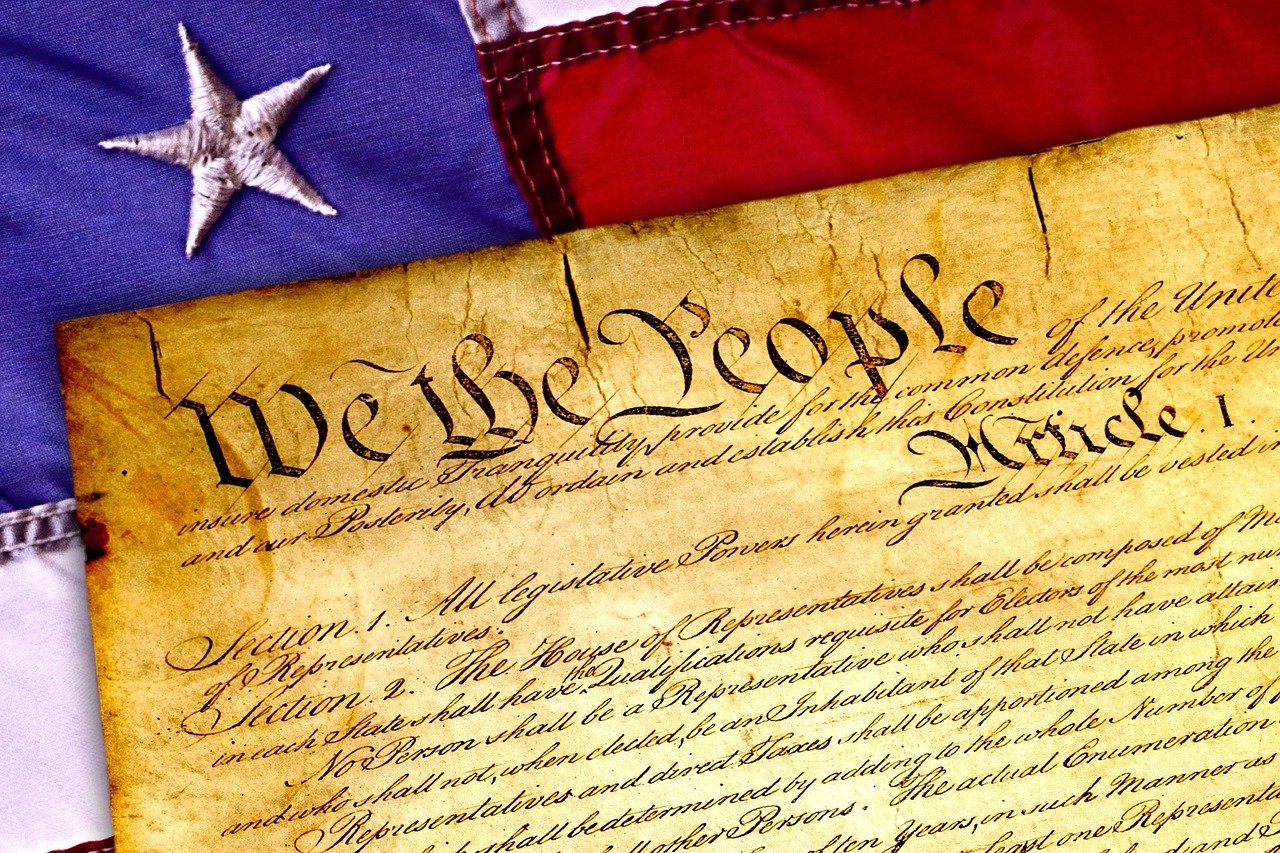
For Pagans in the Military and the National Guard, now is a challenging moment. You signed up to protect your country and your community, and you’ve sworn an oath to defend the Constitution against all enemies, foreign and domestic. That oath also commits you to obey the lawful orders of those higher than you in rank, up to and including the Commander-in-Chief. And now we face the very real possibility that the Commander-in-Chief may issue unlawful orders that you have a both a moral and legal responsibility not to obey.
Christian, Jewish, Muslim, Hindu, Buddhist, Quaker, and other denominations have their own definitions for what constitutes a ‘just war’, and what might violate human and divine law. But is their such religious and spiritual guidance for Pagans?
‘Pagan’ is a term that includes a diverse spiritual paths and communities who believe in a wide range of deities and ethical codes. Yet there are some things we hold in common: that the sacred is manifest in nature and in human beings, that we strive to live lives of honor and integrity, that we value human life and the lives of other living creatures, and cherish the beauty and diversity that makes up this living world. Pagans believe that we must each be our own spiritual authority and follow our conscience. The vast majority of us hold to those traditional American values of freedom of belief, freedom of speech, of liberty and justice for all. Many branches and organizations within the Pagan community have struggled for years to win the rights of Pagans in the military to freely practice their faith in life and in death to be buried with a pentacle, a Pagan symbol to mark their grave.
No one can speak for all Pagans or for every Pagan tradition. But in general, for Pagans oaths are sacred. To swear an oath is a serious thing that should never be taken lightly. When we swear an oath, we are invoking those great forces of of karma and consequence, of birth, death and regeneration, however we may depict them, describe them or experience them. In ancient Greece, the Erinyes, Goddesses older than the Olympians, punished oathbreakers with unending torments. In Celtic cultures, oaths were binding, and breaking them could bring down disasters on not just the oathbreaker but their entire family and clan. In Norse culture, breaking an oath would bring about shame and the wrath of the Gods.
In Words for Warriors, a book of Norse/Heathen/Asatru practices for those in the military, Diana L. Paxson writes:
One of the most solemn spiritual actions in Asatru is the taking of an oath … The oath sworn by the President of the United States is written into our constitution. It makes him, among other things, Commander in Chief of the Armed Forces. The oath you took when you enlisted Includes the same promise to defend the constitution, as well as to obey the regulations and the orders of those in your chain of command. The oath taken by an officer is the same as that taken by the vice president, members of Congress, and other federal officers. Unlike the ancient oaths of loyalty made to a leader, American military oaths bind us to the principles enshrined in the constitution as well as to the other people who serve them. (pp. 18-19)
When you join the military you swear this oath:
I, (state name of enlistee), do solemnly swear (or affirm) that I will support and defend the Constitution of the United States against all enemies, foreign and domestic; that I will bear true faith and allegiance to the same; and that I will obey the orders of the President of the United States and the orders of the officers appointed over me, according to regulations and the Uniform Code of Military Justice. (So help me God).
But what do you do if your oath to defend the constitution is in conflict with your oath to obey the President or superior officers? Those orders are bound by regulations and the Uniform Code of Military Justice. Your loyalty to the Constitution comes first in the oath and takes precedence over your loyalty to any person or officer. Decades of International Law and the Nuremberg Principles have established that it is not just your moral right but your legal duty to disobey an illegal order. Yet how do you know if an order is illegal?
According to the American Constitution Society, “Scholars of military law are clear that such orders are not difficult to discern; as one military justice scholar put it, manifestly illegal orders are precisely those orders that do not prompt a service member to “reason why” the order is unlawful. Rather, they are orders that any soldier would immediately recognize as problematic.”(2)
That’s all very well, but what might such a problematic order be? Possibly to violate the Posse Comitatus Act of 1878 that prohibits using the military for domestic law enforcement, or to open fire against unarmed civilians, to brutalize or torture captives or to use undue force against civilian populations, especially fellow Americans.
As a Pagan you are in charge of your own conscience. Only you can decide when your sense of honor requires you to take the risk of openly disobeying what you consider to be an illegal order. That’s between you, your sense of values, and your Gods, however you conceive of them. But should you choose to do that, here are some resources you can use to help find legal justifications and support.
Do Not Turn On Us
This link tree is a comprehensive list of articles and organizations that provide legal support for acts of conscience by members of the military.
Words for Warriors
Diana L. Paxson. Words for Warriors: A Resource for Heathens in the Military This book is specifically oriented to Heathens, but it’s full of information and ideas that can apply to many Pagan traditions.
Lady Liberty League
Lady Liberty League, at Circle Sanctuary, helped lead the effort to get Pagan traditions recognized by the military and works on many aspects of Pagan rights.
Pagan Solidarity Alliance
Pagan Solidarity Alliance organizes Pagans from many different traditions to come together and support one another in defending democracy, justice and the sacred. We have many resources for community building, resistance and positive action